Your Second Brain: The Amazing Biological Connection Between Gut Health and Mental Clarity
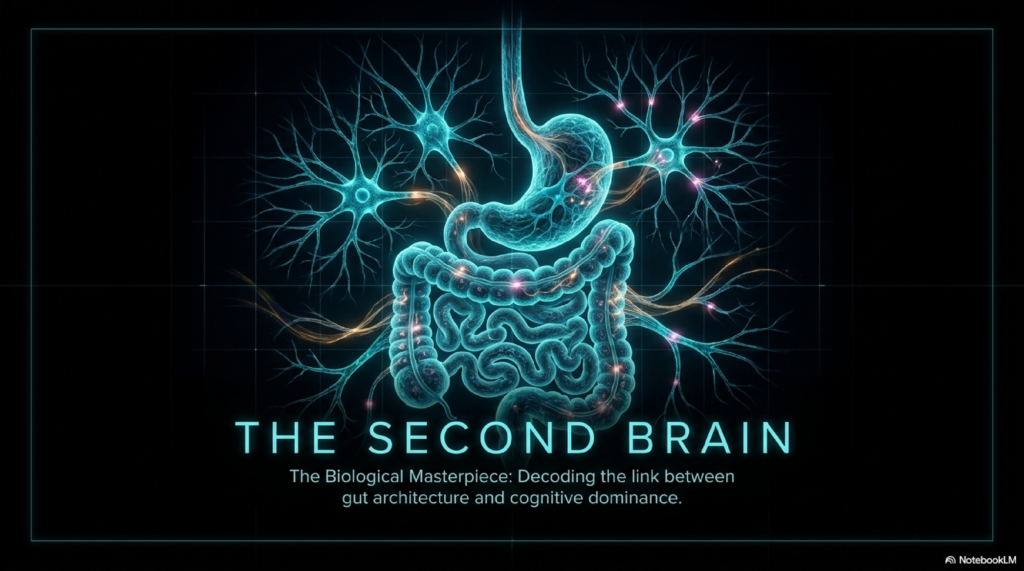
Table of Contents
1. Introduction: A Deep Reimagining of the ” Your Second Brain”
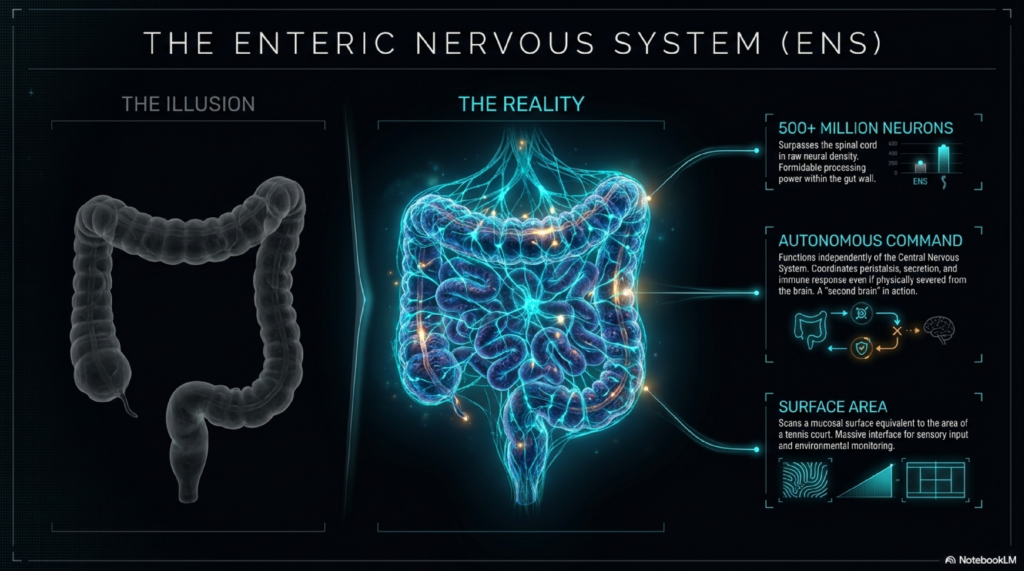
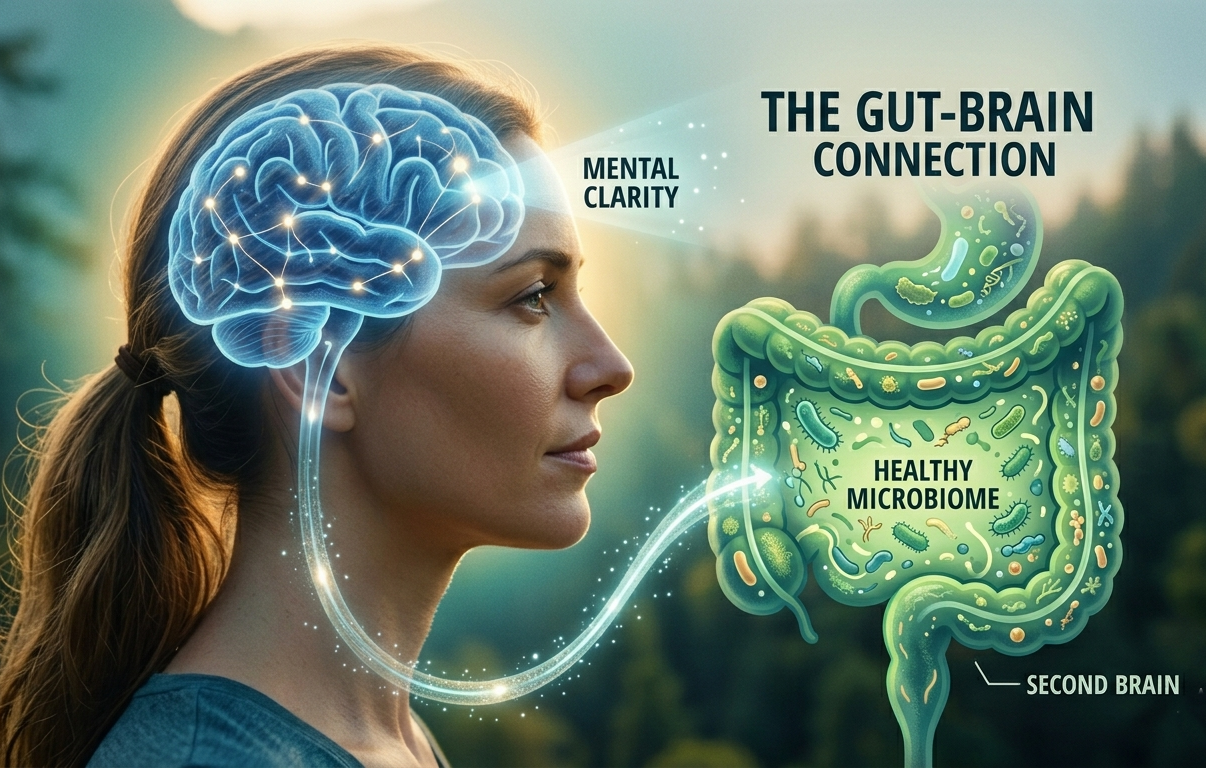
In modern medical science, particularly at the intersection of neuroscience and gastroenterology, a fundamental paradigm shift is underway. For a long time, humanity viewed the gastrointestinal (GI) tract strictly as a primitive “transit pipe”—a conveyor belt for mechanically breaking down food, absorbing nutrients, and expelling undigested waste. However, pioneering research in neurogastroenterology is forcing us to completely overhaul this anatomical model. The gut is home to the enteric nervous system (ENS)—a massive, autonomous, and incredibly complex structure that scientists have rightfully dubbed the “Second Brain.”
The ENS doesn’t just assist with digestion; its level of autonomy and density of neural connections surpass many other parts of the nervous system. This hidden network contains over 500 million neurons, which significantly outnumbers the count found in the spinal cord. The architecture of the ENS allows it to function independently of the central nervous system (CNS). Even if the vagus nerve—the main line connecting the gut to the cranium—is completely severed, the ENS will continue to manage peristalsis, enzyme secretion, and local immune responses on its own.

While the cerebral cortex is busy solving abstract logical problems, writing code, or cramming for exams, the ENS is performing a titanic, highly intricate job. It coordinates the wave-like contractions of smooth muscle along all 23 feet of the intestines while simultaneously scanning every square millimeter of the mucosal lining, an area roughly equivalent to the size of a tennis court.
The High-Speed Data Cable and Sensory Bus
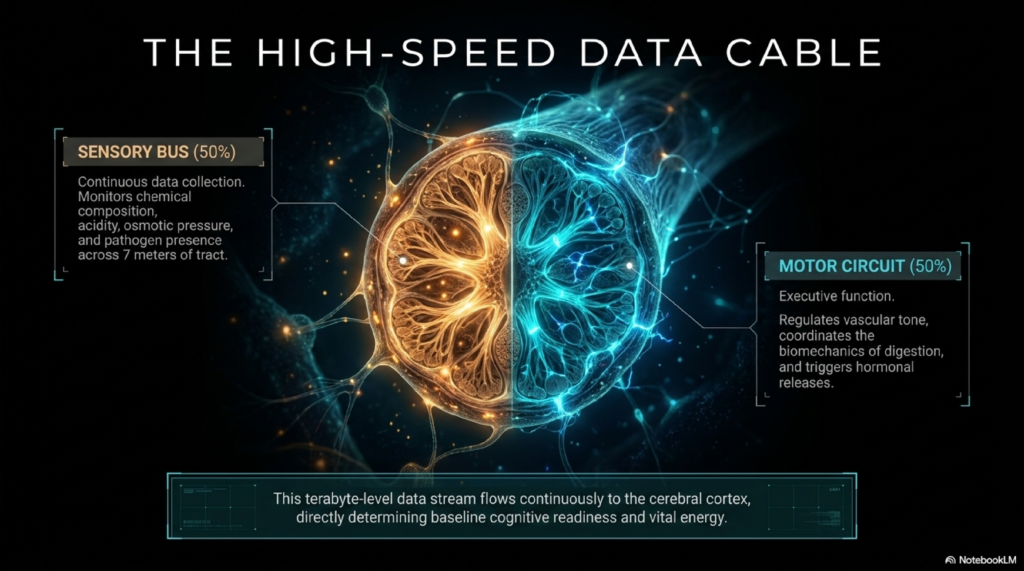
The gut doesn’t think in philosophical categories or solve differential equations, but it acts as the most critical, heavily loaded “high-speed data cable” in the human body. Structurally, this cable is divided into two main highways:
- The Sensory “Bus” (Sensory Neurons): About 50% of all ENS nerve cells continuously gather information from inside the GI tract. They analyze the chemical composition of the food bolus, acidity levels, osmotic pressure, the presence of pathogens, and the stretching of organ walls.
- The Motor Circuit (Motor Neurons): The remaining 50% handle executive function. They regulate vascular tone, manage the complex biomechanics of moving food along, and coordinate hormone release.
This continuous, terabyte-scale stream of data is transmitted to the brain via the gut-brain axis (primarily through the vagus nerve). The brain processes these signals in the background, subconsciously shaping what we call our “general well-being,” vital energy levels, and cognitive readiness. The physical integrity, absence of inflammation, and overall stability of this “cable” directly determine the clarity of the chemical signals entering your head. If the cable shorts out due to a poor diet, the brain physically cannot reach its peak intellectual capacity.
2. Fuel for the Mind: Glucose Biochemistry, the Carbohydrate Rollercoaster, and Cognitive Resources
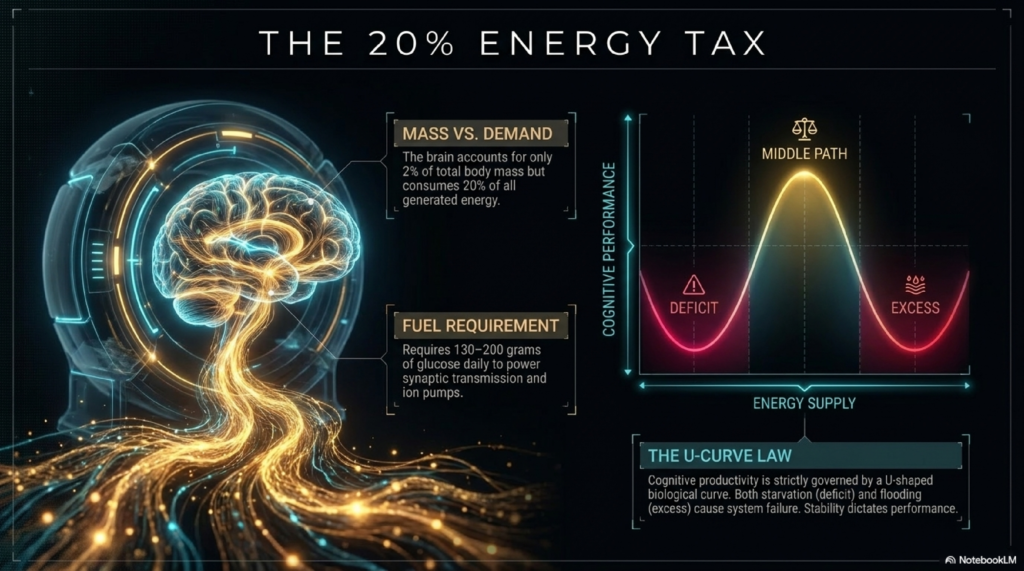
The human brain accounts for only about 2% of total body weight, yet it is metabolically the most ravenous organ we have. While awake, it consumes up to 20% of all the energy produced by the body. Its primary, virtually irreplaceable fuel is glucose. To maintain basic thinking processes, ensure synaptic transmission, and power ion pumps, the brain requires between 130 and 200 grams of glucose daily.

However, in systems biology, the key is not just having the resource, but the stability of its delivery. A person’s cognitive productivity is strictly bound to a U-shaped curve—a fundamental law of physiology. According to this law, both a deficiency (the left edge of the curve) and an excess (the right edge) of a substance are destructive to the system. Optimal functioning is possible only within a narrow “middle path” range. This rule is universal: it applies to oxygen, water, salt, trace elements, and, first and foremost, blood sugar levels.
Energy Dynamics: A Comparative Analysis of Brain States
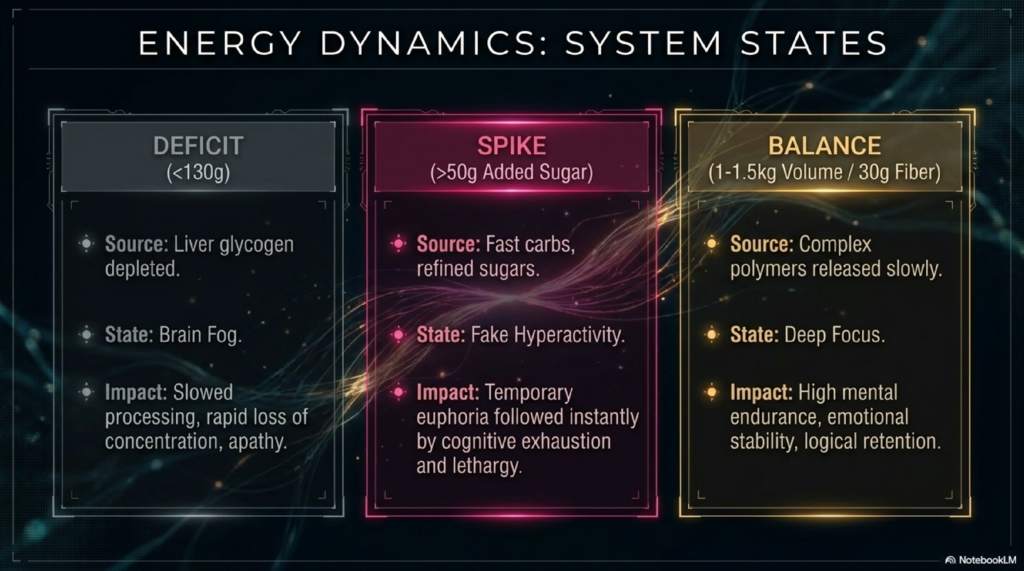
| Physiological Parameter | Brain on Empty (Glucose Deficiency) | Brain on Sugar Spikes (Glucose Excess) | Balanced Brain (The Middle Path) |
| Current Cognitive State | Subjectively felt as “brain fog.” Information processing slows down, concentration drops sharply, while irritability and apathy rise. | Short-lived euphoria and a false sense of hyperactivity (“sugar high”), which quickly gives way to sleepiness, cognitive fatigue, and sluggishness. | Deep, sustained focus. High mental stamina, the ability to hold complex logical chains for hours, and emotional stability. |
| Biochemical Energy Source | Depleted liver glycogen stores. The brain switches to emergency, less efficient fueling, signaling a survival threat. | “Fast carbs” with a high glycemic index: refined sugar, fruit juices, sodas, and pastries. | Complex, polymeric carbohydrates with a low glycemic index, backed by a stable pool of 30g of dietary fiber. |
| Daily Equivalent and Volume | Less than 130g of pure glucose per day (the threshold for clinical mental fatigue). | More than 50g of added pure sugar per day (triggers insulin and metabolic rollercoasters). | Breakdown of nutrients from 2.2–3.3 lbs (1.0–1.5 kg) of total high-quality food volume. |
The “Fast Sugar” Mechanism: A Classic Trap for Students and Professionals
To understand how this works in practice, let’s look at a typical mistake made by students or office workers. Before an important exam, interview, or deadline, a person decides to “feed the brain” and drinks a glass of packaged apple juice or eats a chocolate bar, taking in a massive hit of 25–30 grams of pure refined sugar.
The body immediately triggers a cascade of reactions:
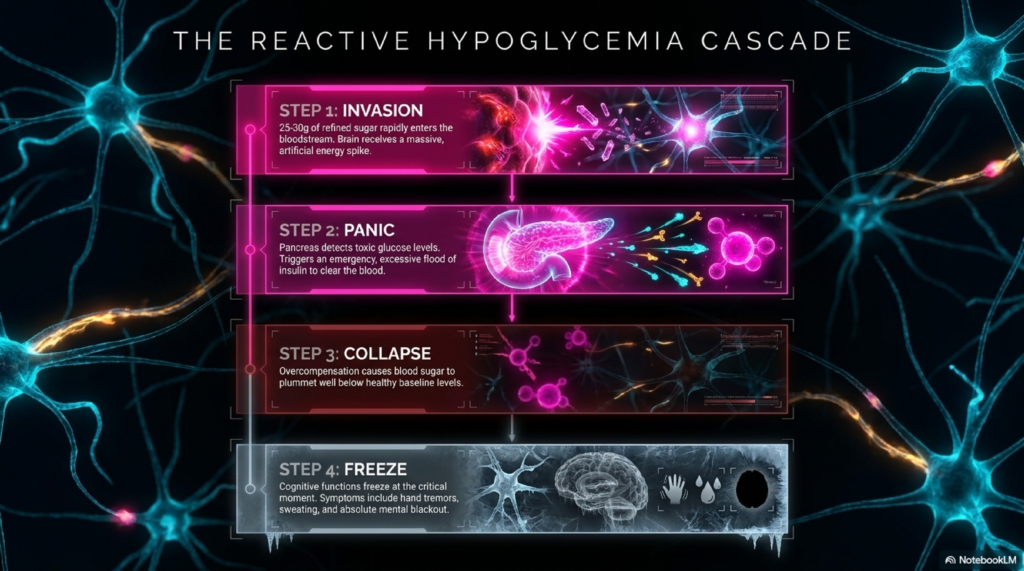
- Invasion and Spike: Simple sugars do not require long digestion in the gut. Glucose floods the bloodstream in an avalanche. Blood sugar levels skyrocket way above the physiological norm. The brain gets a brief burst of energy, synapses fire faster, and the person experiences a false rush of strength.
- Panic Compensation: The pancreas detects a critical blood sugar level that is dangerous to blood vessels and executes an emergency, excessive release of insulin. Insulin’s job is to clear glucose from the bloodstream as fast as possible and shove it into cells (mainly into fat stores and muscles).
- Insulin Crash: Because of the high insulin concentration, blood sugar levels plummet below the original, healthy starting point. The body enters a state of reactive hypoglycemia.
- Cognitive Collapse: At the exact moment the student needs to pull a complex answer or logical formula from their memory, their brain suddenly finds itself in a critical state of running on empty. Hands start to shake, sweating kicks in, and thought processes literally freeze up.

Glucose is just raw electricity, the baseline fuel for neurons. But the tone in which the brain processes information, the overall psycho-emotional background, and stress resilience levels are determined by much finer substances—neurotransmitters, whose production is inextricably linked to the gut microbiota.
3. The Serotonin Factory: Debunking the 90% “Depression Myth”
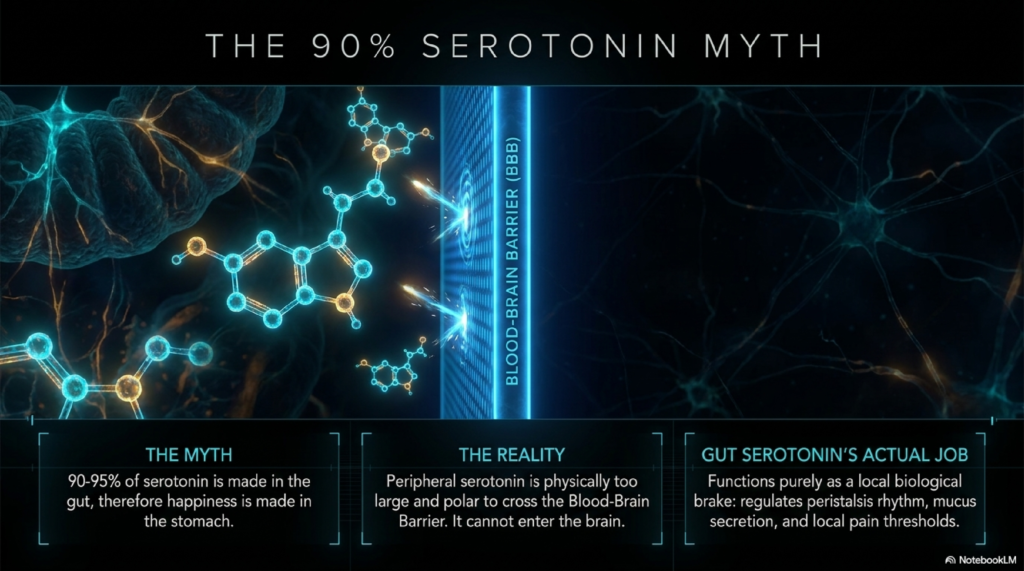
In popular science literature, you often run into the catchy claim: “90% of serotonin is made in the gut; therefore, our happiness and good mood originate entirely in our stomach.” This statement is a classic example of a correct fact used to draw a completely incorrect conclusion. We need to bring strict scientific clarity to this issue.
It is true that about 90–95% of all serotonin in the human body is synthesized by specialized enterochromaffin cells in the gut lining. However, this peripheral serotonin is physically incapable of entering the brain. They are separated by a powerful biological filter: the blood-brain barrier (BBB). The serotonin molecule is too large and polar to pass through this strict internal customs checkpoint.
What Is the Real Function of Gut Serotonin?
Inside the GI tract, serotonin performs entirely different, pragmatic tasks. It acts as a local biological “brake” and regulator:
- It manages the rhythm and strength of peristaltic contractions.
- It regulates the secretion of mucus and enzymes.
- It modulates the pain sensitivity threshold of the intestinal wall. If local serotonin is imbalanced, a person begins to physically feel normal digestion as pain or bloating (which is frequently observed in Irritable Bowel Syndrome, or IBS).
How Does the Gut Actually Influence Mood?
The connection between what happens in your belly and your mental state is carried out not by supplying ready-made serotonin, but by managing the resource pool according to the following algorithm:
Plaintext
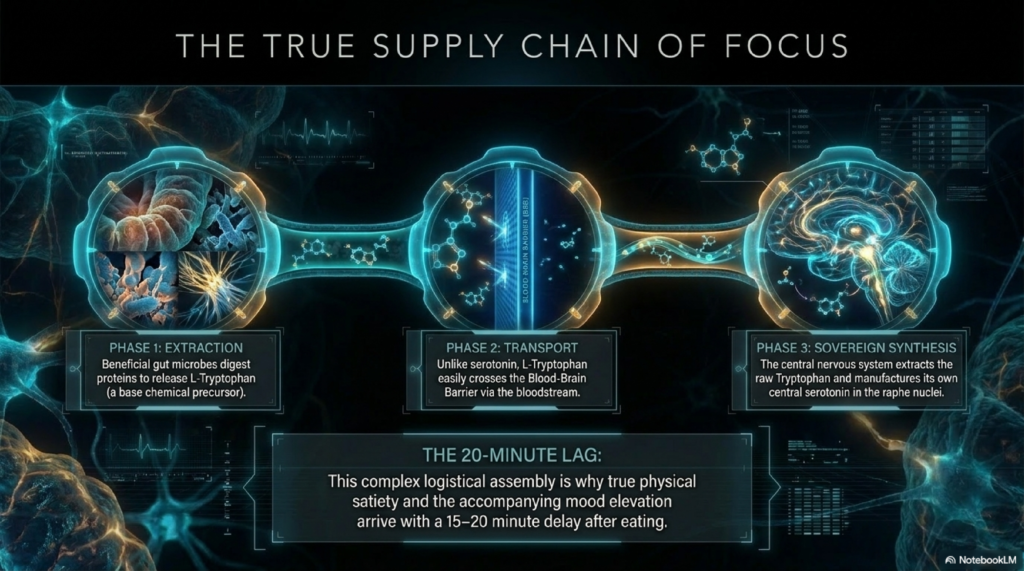
[Gut Microbiome] ➔ Raw Material Supply (Tryptophan) ➔ Transport across the BBB ➔ Serotonin Synthesis in the CNS
- Supplying Raw Materials: Helpful gut microbes help break down proteins and release an essential amino acid—L-tryptophan, which is the foundational chemical precursor to serotonin. Unlike serotonin itself, tryptophan freely crosses the blood-brain barrier.
- The Logistics Route: Tryptophan and other amino acids are absorbed into the blood and send signals to the brain via the vagus nerve’s “sensory bus.”
- Sovereign Production: The brain maintains complete independence. It pulls the imported tryptophan from the bloodstream and, right on-site within the CNS structures (such as the raphe nuclei), synthesizes its own “central” serotonin, which is what actually handles feelings of well-being, the absence of depression, and mental clarity.
The Phenomenon of Delayed Satiety
This same mechanism explains the delay in feeling satisfied after eating. When food reaches certain receptor zones in the small and large intestines, a massive local release of serotonin and accompanying satiety hormones (like peptide YY) occurs. The signal travels to the hypothalamus. Because the signal’s journey and the chemical assembly take time, true satiety and the accompanying “mood boost” arrive with a consistent delay of 15–20 minutes after you actually finish eating.
4. Microbial Puppeteers: Mechanisms of Bacterial Control Over Behavior
The gut-brain axis is not a monologue delivered by the brain giving orders to the stomach; it is a bustling two-way dialogue where the trillions of microorganisms living in our GI tract have a deciding vote. Our microbiome consists of active co-authors of our behavior, cognitive abilities, and even food preferences, rather than passive passengers.
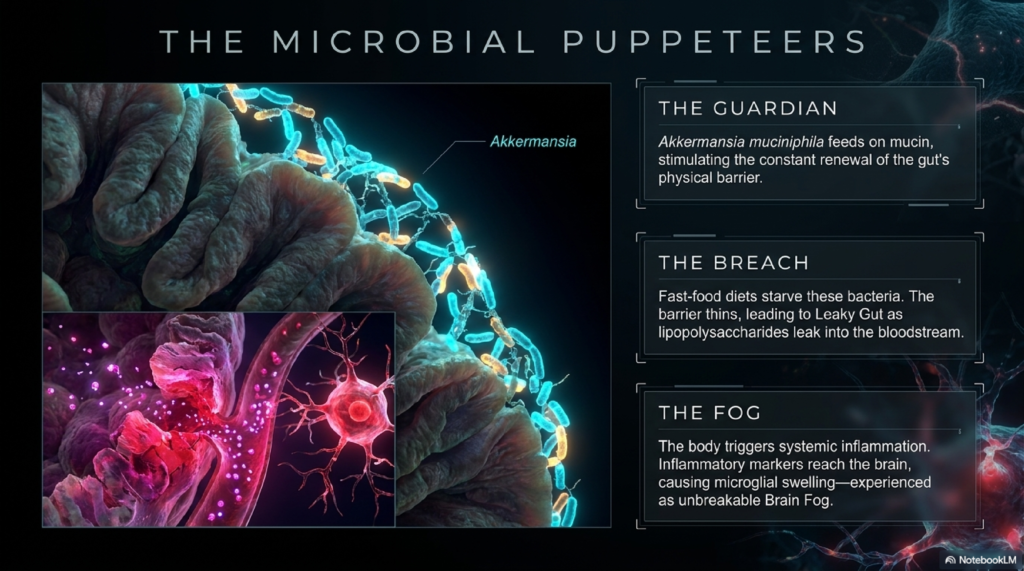
A prime example of a critically important player is the bacterium Akkermansia muciniphila. It specializes in maintaining our body’s physical integrity. Evolutionarily, its job is to constantly nibble on and thereby stimulate the renewal of our internal protective layer of mucus (mucin).
- If the Akkermansia population is depleted (for example, due to a fast-food diet), the mucus barrier thins out.
- This triggers the “leaky gut” phenomenon, where fragments of bacterial walls (lipopolysaccharides) leak into the bloodstream.
- The body reacts by turning on low-grade, systemic immune inflammation.
- When these inflammatory markers reach the brain, they cause microglial swelling, which subjectively feels like a persistent brain fog, an inability to focus, and chronic fatigue.
Microbiome Experiments: Biological Determinism
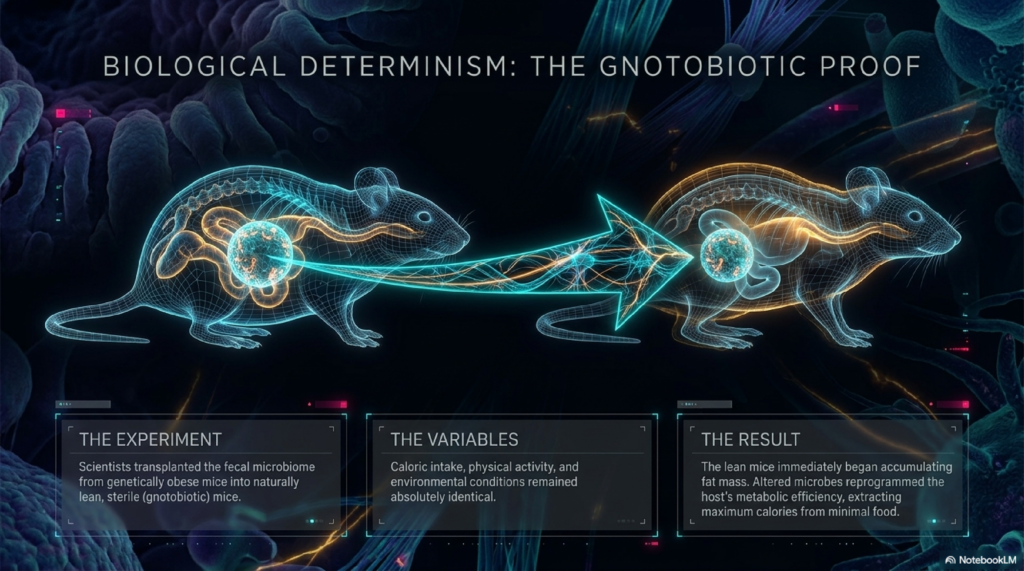
Groundbreaking clinical studies on gnotobiotic laboratory mice (animals sterile from birth) have clearly proven the power of microbial influence. In a series of experiments, scientists transplanted the fecal microbiome from mice genetically predisposed to obesity into their completely lean and slender counterparts.
The results stunned the scientific community: the lean mice, after receiving the “obese” microbiome, began to rapidly gain fat mass. Meanwhile, their caloric intake, physical activity levels, and living conditions remained absolutely identical to the control group. The altered microbes rewired the host’s metabolic efficiency: they learned to extract maximum calories from even a minimal amount of food and altered the expression of genes responsible for storing fat.
Hijacking Willpower and Microbial Blackmail
Bacteria and yeast fungi (such as the genus Candida) in the gut fight a brutal battle for their own survival. Simple sugars and refined carbohydrates are their ideal evolutionary breeding ground. To force the host to supply them with the right raw materials, microbe colonies are capable of manipulating the vagus nerve.
They secrete signaling molecules (neurotransmitter analogs) that mimic hunger signals or trigger feelings of psychological discomfort, anxiety, and dissatisfaction until the person eats something sweet. This is literal biochemical hacking: microbes breach our willpower, making us believe that eating a pastry is our own conscious, sovereign desire.
The Anatomy of Food Marketing: “The Bliss Point”
Modern food corporations heavily exploit this evolutionary mechanism. Food scientists and chemists use a concept called “The Bliss Point.” This is a mathematically and sensorially optimized ratio of simple sugars, sodium (salt), and saturated fats.
When this chemical pattern hits the tongue’s receptors, it triggers a massive, unnatural release of dopamine in the brain, creating a “dopamine trance.” This evolutionary exploit runs so deep and aggressive that it completely blinds the cerebral cortex and mutes the natural fullness signals coming from the ENS. The person falls into a state of automatic overeating, consuming empty calories even when their stomach is already physically stretched and overfilled.
5. Clinical Case Studies: When the Gut-Brain Connection Breaks Down
To fully appreciate the gut’s influence on the psyche, we only need to look at what happens when a critical failure occurs in the resource distribution and waste clearance systems. The symptoms of these disruptions often masquerade as severe, endogenous psychiatric disorders, leading doctors down the wrong path.
Case #1: Auto-Brewery Syndrome (Gut Fermentation Syndrome)
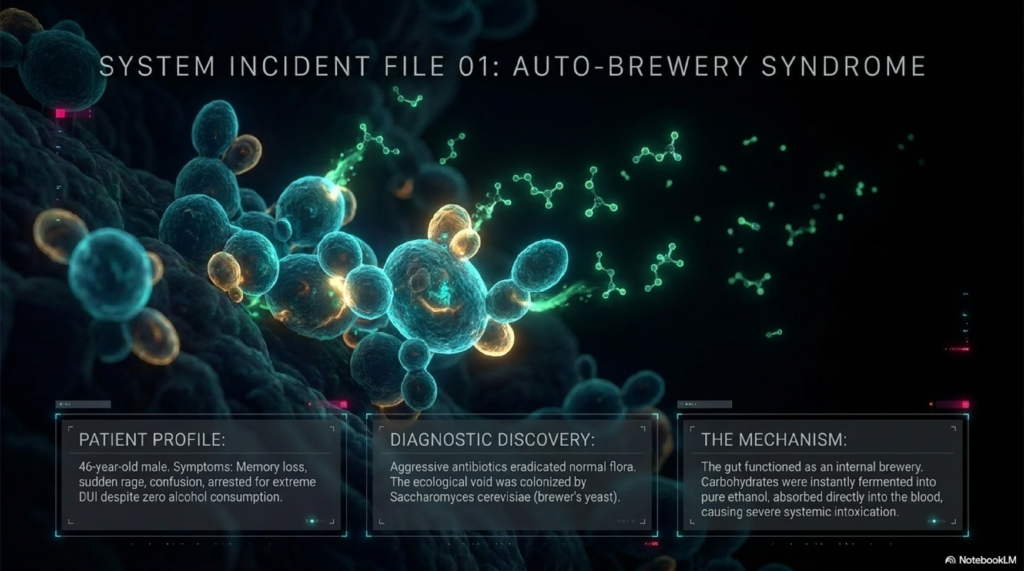
Clinical literature documents the case of a 46-year-old man who suddenly began suffering from severe cognitive impairments: memory gaps, unprovoked outbursts of rage, confusion, and slurred speech. He was arrested by police several times for driving under the influence, yet the man and his family swore he hadn’t touched a drop of alcohol in years. No one believed him until he ended up at an academic medical center.
A detailed gastroenterological workup revealed a rare pathology. Following a coarse course of aggressive antibiotics, his normal gut flora had been completely wiped out, leaving an open ecological niche that was colonized by Saccharomyces cerevisiae (common brewer’s yeast). Every time this man ate a harmless piece of bread, a serving of rice, or pasta, the yeast in his gut triggered a wild alcohol fermentation process, turning carbohydrates into pure ethanol. The alcohol was instantly absorbed through the intestinal walls into his blood, causing severe systemic intoxication. Without proper antifungal therapy and diet, this patient was bound for classic liver cirrhosis and personality breakdown, all while remaining a strict teetotaler.
Case #2: Psychosis and Toxic Encephalopathy
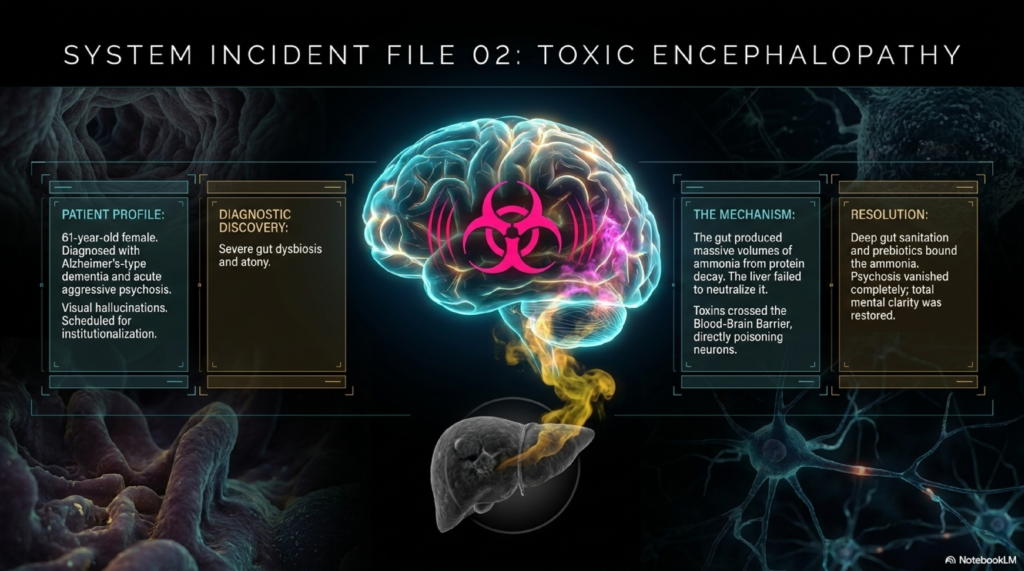
Another shocking case involved a 61-year-old woman. She began rapidly developing symptoms that a panel of psychiatrists confidently classified as Alzheimer’s-type dementia combined with acute aggressive psychosis. The woman stopped recognizing her children, claimed to see ghosts in the room, showed unprovoked physical aggression, and completely lost her social skills. She was being prepared for placement in a long-term psychiatric facility.
A life-saving, comprehensive screening of her internal organs revealed that the true cause of the tragedy lay in a critical failure of her “filtration plant”—a combined pathology of the gut barrier and the liver’s detoxification function. Due to deep dysbiosis and gut atony, her GI tract was producing massive amounts of ammonia and other nitrogenous products of protein putrefaction. Her liver could not keep up with neutralizing them.
These aggressive toxins traveled unchecked through the bloodstream into her brain, easily breached the BBB, and began literally poisoning astrocytes and neurons. This brought on a severe form of hepatic encephalopathy that completely erased the person’s identity. Once the patient underwent deep gut cleansing, was prescribed specific prebiotics (lactulose) to bind the ammonia, and had her motility restored, the metabolic poison was cleared from her system. The “madness” vanished without a trace, and the woman fully regained her mental adequacy, memory, and sound judgment.
6. A Practical Guide to Achieving Gut-Brain Harmony
Your body and its cognitive resources are not a bottomless well you can endlessly draw energy from without giving anything back. It is your fundamental “biological estate.” If you wisely invest resources into it and maintain its infrastructure, it pays dividends in the form of ironclad focus and a clear mind. If you ignore the internal warning lights, the system will inevitably decay.
Checklist for Maintaining Total Mental Clarity
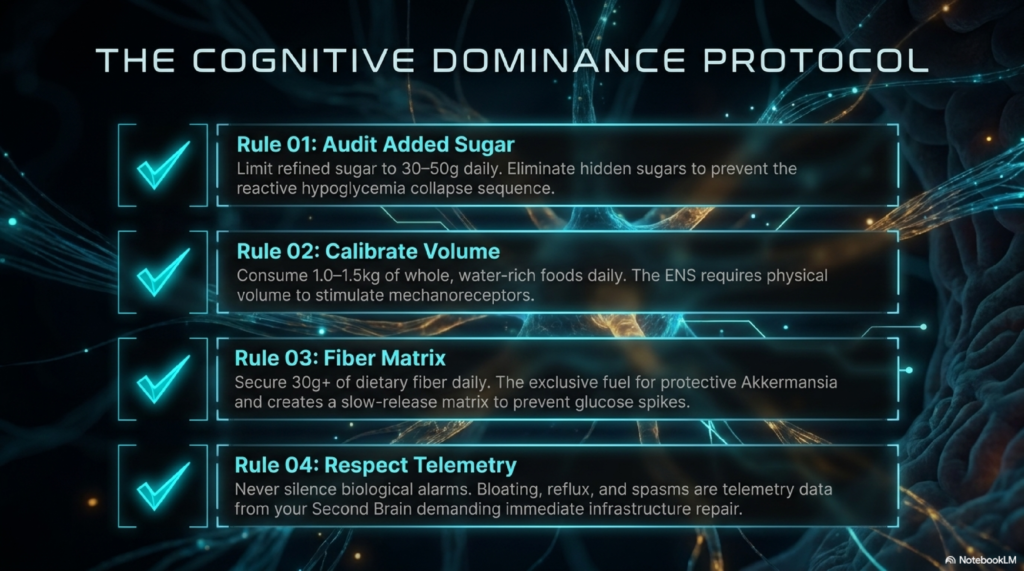
- [ ] Strict Audit and Limitation of Added Sugar: Bring your intake of pure, refined sugar down to a safe standard of 30–50 grams per day. Read labels carefully: hidden sugar is stashed away in sauces, pre-packaged meals, yogurts, and fast food. This will insure you against destructive insulin rollercoasters and save your brain from running on empty during intense mental workloads.
- [ ] Calculate Your Food Volume: To ensure your brain receives the necessary concentration of micronutrients, B vitamins, magnesium, and zinc, the total physical weight of the food you consume should be 2.2–3.3 lbs (1.0–1.5 kg) per day (referring to whole, moisture-rich foods: vegetables, greens, grains, and high-quality protein). Do not try to replace real food with concentrated bars or fast food—the brain needs volume for the proper stimulation of ENS receptors.
- [ ] Daily Fiber Stabilization: Your daily goal is at least 30 grams of pure dietary fiber. Fiber is not just filler. It is the primary and only food source for our protective microbiota (Akkermansia, Bifidobacterium). Additionally, it forms a porous matrix in the gut, slowing down carbohydrate absorption and ensuring a smooth, steady delivery of glucose into the blood without dangerous spikes.
- [ ] Absolute Respect for Biological Signaling: Any signs of discomfort—regular bloating, gas, cramps, flatulence, or heartburn—are not an “annoying coincidence” but a full-blown distress signal that your Second Brain is sending to your First Brain.
The Danger of Muting Signals: The “Gastric War Spiral”
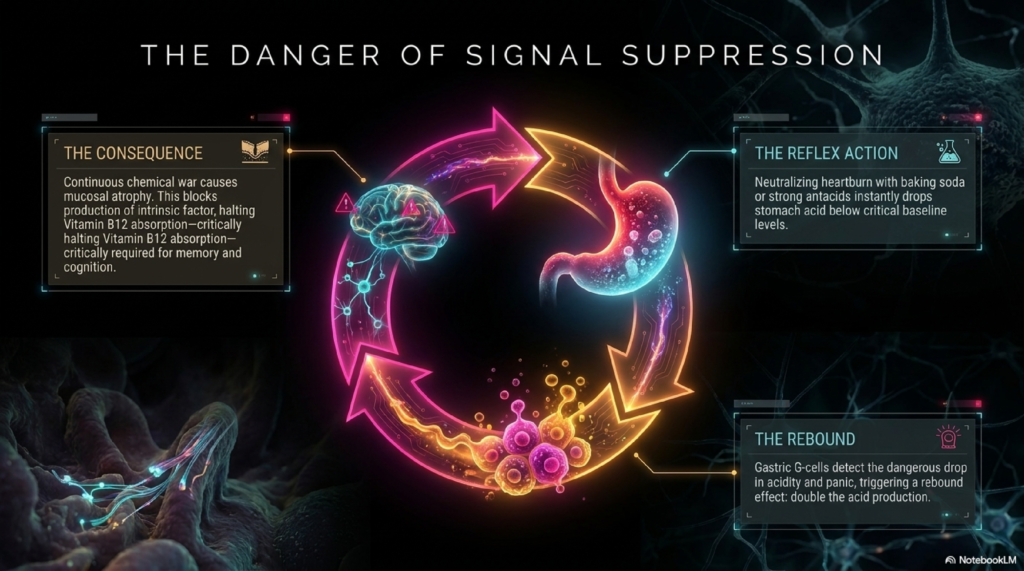
Consider the harmful habit of drowning out these signals with medications. When facing acute heartburn (acid reflux), a person often drinks a baking soda solution or pops strong antacids.
From a physiological standpoint, a catastrophe occurs at that exact moment:
- The baking soda instantly neutralizes the hydrochloric acid in the stomach chemically. The burning sensation temporarily subsides.
- However, the stomach’s G-cells register that acidity has dropped below the critical level required to digest proteins and kill dangerous bacteria. Base homeostasis has been disrupted.
- The body flips a compensatory switch and triggers the “rebound effect”—it starts producing hydrochloric acid in a double, even more aggressive volume.
- The person feels the burn again and drinks more baking soda. A protracted “war spiral” begins inside the stomach, which inevitably leads to mucosal atrophy, chronic inflammation, and a drop in the production of intrinsic factor (which blocks the absorption of Vitamin B12, critically vital for memory).
Instead of turning off the fire alarm, you must find and eliminate the source of the fire—overhaul your diet, remove inflammatory triggers, and restore motility.
Conclusion: Digestion as the Foundation of Psychological Resilience
A clear, fast mind capable of high concentration and deep learning is not a random gift of nature, nor is it the product of abstract willpower alone. It is the direct physiological consequence of the long, meticulous work of maintaining your Second Brain.
The gut is the primary resource base that supplies our cranial brain with every single molecule of glucose, every neurotransmitter precursor, and every cubic centimeter of clean, toxin-free blood. Your health is your sovereign territory. Provide the ENS and your microbiome with the correct, evolutionarily justified resources, and your intellectual productivity will inevitably reach peak, historically unprecedented levels.